Ads Takedown Evidence
Use this checklist to preserve a connected record of the search impression, advertiser, destination path, enforcement basis, and recurrence before a suspicious ad changes or disappears.

Search observationKeep the full result, query, device and market context.
Connected destinationPreserve the redirect request and the final website address.
Three connected evidence checks

Live impression context
Record the query, market, language, device, timestamp, complete ad copy, visible URL, and the surrounding paid results.

Advertiser and click path
Connect the advertiser identity to the visible URL, tracking path, redirects, final destination, and landing-page state.

Action basis
State whether the issue concerns trademark use, misleading identity, destination mismatch, cloaking, or a documented partner breach.
Connect the evidence record
A useful packet lets another reviewer reconstruct what appeared, where the click went, why the route may apply, and whether the behavior returned. It should not depend on a cropped screenshot or an unsupported conclusion.
Observation
Query, market, language, device, timestamp, ad position, ad assets, and complete SERP context.
Identity
Advertiser clues, visible domain, account or partner reference when available, and the final beneficiary.
Journey
Tracking links, redirect steps, final URL, landing-page state, and any variation by market or device.
Basis and result
Relevant policy or agreement, submitted route, decision, recurrence, and observable change after action.
Preserve the search observation
Paid results can vary by geography, device, language, audience, and time. Preserve enough context to distinguish a live observation from a later reconstruction.

Keep the full context
Include the complete search page, the exact query, nearby ads, the official result, market, device, language, and timestamp.

Keep the original files
Retain uncropped screenshots and exported records. A marked-up copy can help explanation, but it should not replace the original.

Separate fact from assessment
Record what was visible first. Add the suspected policy, agreement, or rights issue as a separate review field.
Trace the destination route
The visible URL is not always the final destination. A controlled review should preserve the route without entering credentials, purchasing, or submitting personal information.
Search and ad record
Exact search term, location, language, device, and time.
Headline, description, assets, advertiser clues, and visible URL.
Click and destination record
Tracking template, redirects, parameters, and final URL.
Identity, offer, affiliation claims, and destination consistency at the observation time.
Redirects and click trackers are not automatically policy violations. The evidence must show what the route does and why a specific policy, agreement, or rights-based review is relevant.
Choose the enforcement basis
Do not submit every suspicious ad under the same label. Use the evidence to choose the route that matches the observed behavior.

Trademark review
Document where the mark appears, how it is used, the advertiser URL, the affected market, and the relevant demonstrated rights.

Misleading or hidden identity
Preserve false affiliation, impersonation, unavailable offer, destination mismatch, or evidence that content changes to conceal a violation.

Partner enforcement
Connect the query and redirect path to the responsible affiliate, applicable agreement clause, network record, and recurrence history.
Review the evidence gaps
Share the query, market, ad URL, redirect, screenshot, or short context you already have. AdFlagger can review the missing links and the likely evidence-led route.
Review My Evidence PacketMaintain an evidence register
Give each observation a stable reference and connect it to its files, route, decision, and follow-up. This keeps the packet understandable when several advertisers or markets are involved.
- Observation ID: query, market, device, language, timestamp, and source file.
- Advertiser path: visible domain, redirect path, final URL, and identity notes.
- Review basis: exact policy, agreement clause, or rights question requiring assessment.
- Action history: submission date, route, response, decision, and supporting correspondence.
- Follow-up: recurrence, replacement advertiser, new domain, or verified absence during the next review.
Track returning ads
A removed example does not prove the pattern ended. Recheck the affected queries and markets, then connect replacement ads, domains, and tracking paths to the original case when the evidence supports that relationship.
Common evidence gaps

Cropped context
The ad is visible, but the query, market, timestamp, or surrounding search results cannot be verified.
Unresolved destination
The report names the visible domain but does not show the redirect route, final URL, or landing-page identity.

Unsupported route
The report states that an ad is unauthorized without connecting the observation to an applicable policy, agreement, or rights question.
Ads Takedown Evidence Questions
Primary policy references
Use the official Google Ads Trademarks policy, Misrepresentation policy, Destination Requirements, and Circumventing Systems policy to test the route against the observed facts. For the full enforcement sequence, see how to remove unauthorized ads from Google Search.
Business case studies
Real results from brands that took back control of their traffic
If Pirate Sites Ranked at #2 to #6, How Much Could They Take?
- ≈ 19Potential customers diverted per month
- ≈ $7.3kPotential monthly revenue exposed
- 3 customersFee-equivalent value in this case

STARS PARTNERS: a Branded-Search Case for One Brand
- +101.6%Visits, calculated from rounded values
- +31.5%Unique visitors, calculated from rounded values
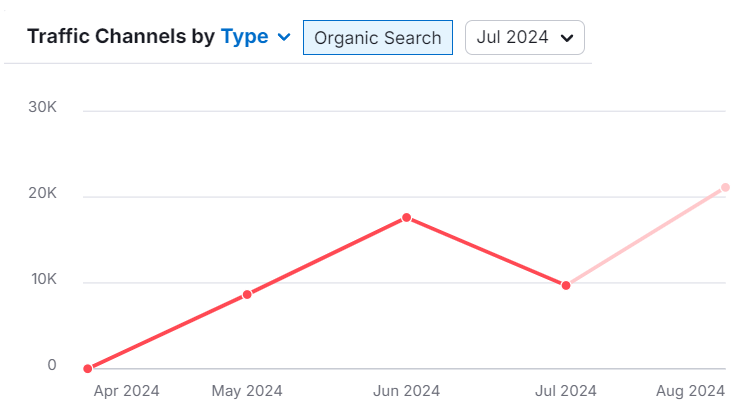
- +75.8%Organic Traffic Growth
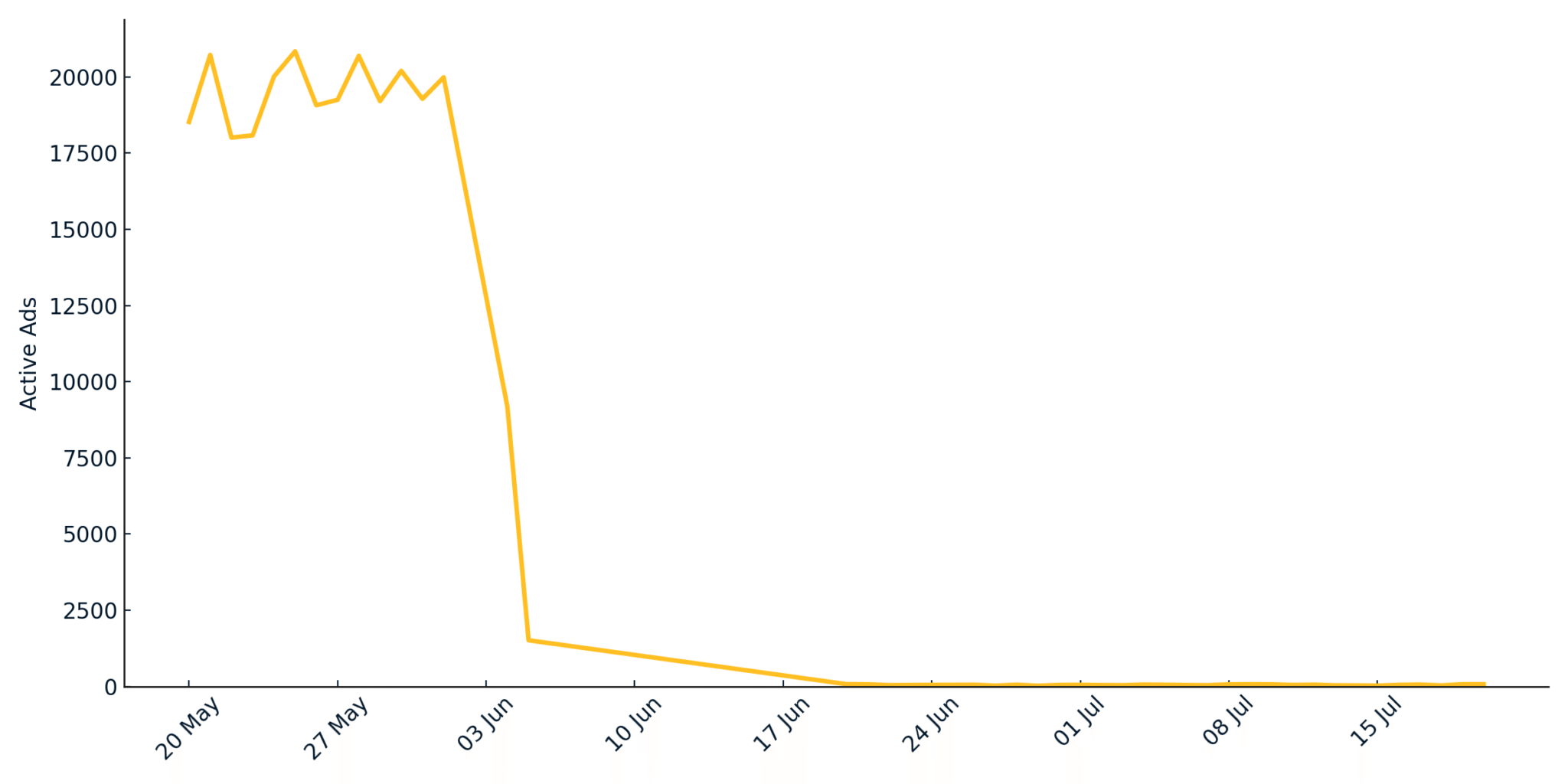
How RocketPlay Cut Ad Hijacking in 4 Weeks
- by 20.2%Boosted Organic Traffic
- 350Ad Hijacking Domains Remove
- $20 → $2CPC Slashed