How to Stop Affiliate Brand Bidding in Paid Search
Some affiliate ads add a tracked step before the visitor reaches your website. Match the ad to the partner account and the applicable program rule before requesting a correction.
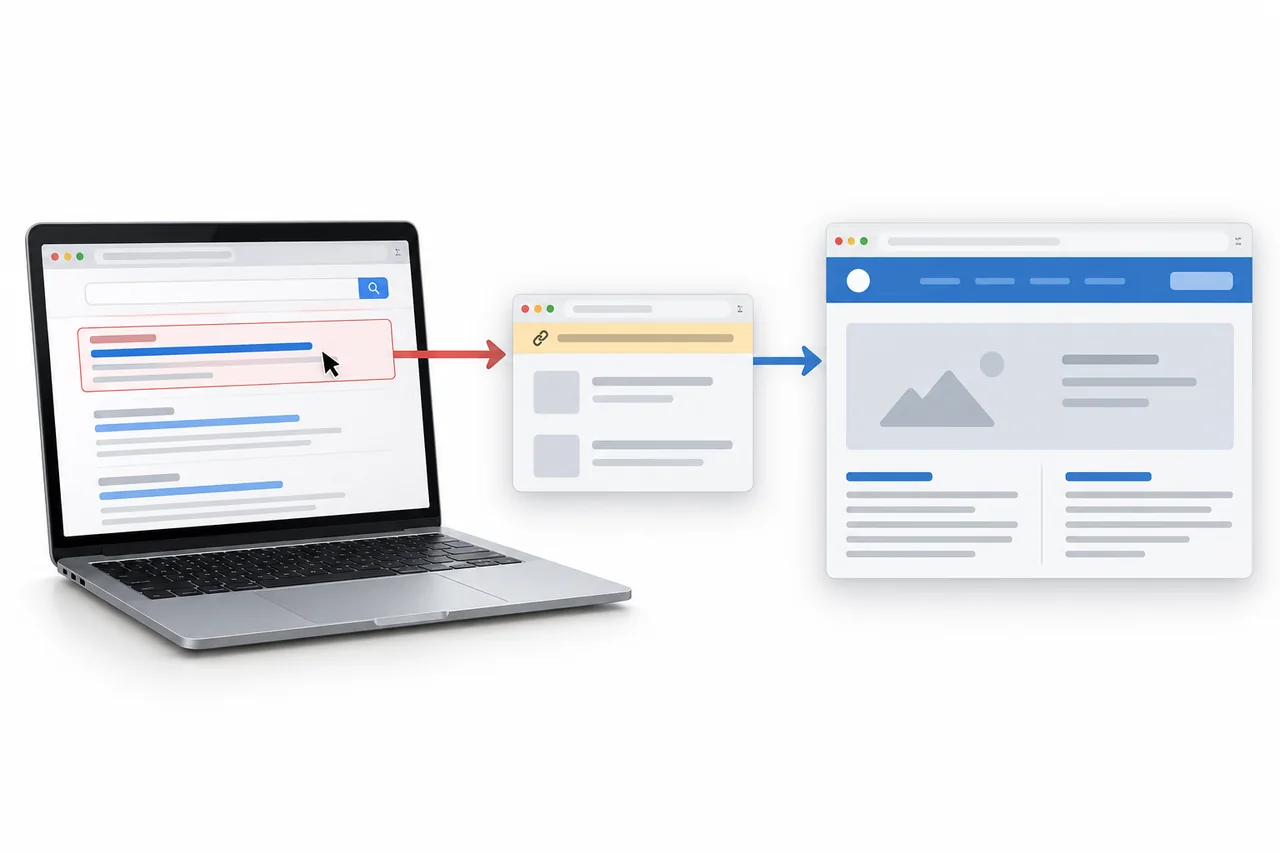
Customer route: branded search ad, affiliate-tracked intermediary, official website. Reaching the official site does not by itself establish that the tracking step was authorized.
What Makes the Case Enforceable
Program rule
Define prohibited queries, ad-copy use, direct linking, markets, devices, promotion types, and sub-affiliate responsibility.
Partner identity
Resolve tracking parameters, affiliate and sub-affiliate IDs, network records, redirects, and the final destination.
Enforcement record
Connect the observation to the relevant clause, notice, response, commission decision, correction, and recurrence history.
Define What the Affiliate Terms Actually Prohibit
There is no universal rule that makes every affiliate appearance on a branded query removable. Enforcement depends first on the brand’s approved partner terms and evidence that the responsible partner crossed that boundary.
Protected query set
State whether the restriction covers the exact brand, misspellings, brand-plus terms, product names, campaign names, or another defined group.
Promotion limits
Define ad-copy use, direct linking, coupon claims, landing pages, negative keywords, approved markets, and device or schedule limits.
Partner responsibility
Record network escalation, sub-affiliate responsibility, evidence requirements, correction period, and commission-review provisions.
Turn a Search Result Into a Partner Identity
The ad headline rarely names the affiliate responsible for the placement. Preserve the complete route and match only verified identifiers to the program or network record.
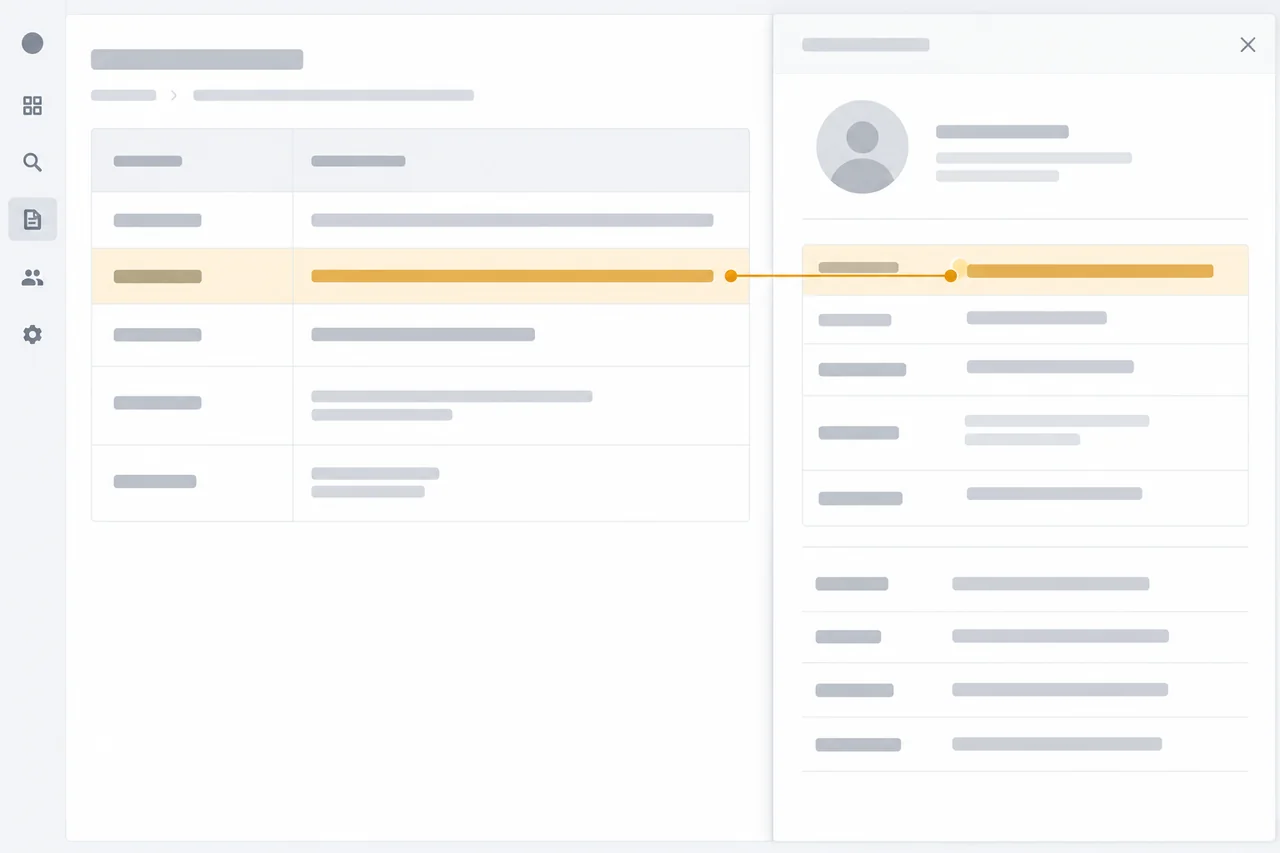
Match the tracking value in the click record to the program account before assigning a partner identity.
Preserve the complete tracking value and observation context, then ask the program or network to confirm the account mapping. Record whether the link is verified, unresolved or contradicted by the account data.
Branded query
Market, device, language, timestamp, ad copy, visible URL, and complete search context.
Tracking path
Redirects, tracking template, affiliate parameter, sub-ID, campaign reference, and intermediate domains.
Program match
Network record, partner account, sub-affiliate relationship, approved promotion rules, and account owner.
Verified destination
Final landing page, merchant or operator, offer, attribution state, and the evidence preserved at observation time.
Compare the Placement With the Effective Partner Rule
A usable record shows the rule, the observed behavior and how the placement was linked to the partner. Review those three items together before issuing a breach notice.
What was restricted?
Identify the covered query set, ad-copy and linking restrictions, applicable markets, sub-affiliate responsibility and the version effective at observation time.
What was observed?
Attach the matching query and context, ad capture, destination route and the identifier mapped to the program or network account.
Keep the breach finding separate from the remedy. A correction request, network escalation or commission review depends on the applicable agreement and the evidence supporting that action.
Choose the Action That Matches the Breach
Partner correction
Send the documented observation and clause, request correction under the agreement, and record the response and verification date.
Network escalation
Escalate unresolved identity, sub-affiliate, or recurrence issues through the applicable network process and evidence requirements.
Separate policy review
Use a Google policy or trademark route only when the ad independently fits that route. A partner breach alone does not prove a platform-policy violation.
Need to Identify and Enforce a Partner Breach?
Share the brand query, market, ad or tracking link, network, and relevant partner rule if available. AdFlagger can review the likely identity and evidence path.
Review My Affiliate CaseReconcile Attribution Without Overclaiming
The evidence can show that a prohibited ad and affiliate path existed. A commission or incrementality decision requires the applicable agreement, transaction data, attribution rules, and finance or legal review.
Recheck the Original Context After a Correction
Return to the affected query, market and device after the recorded correction date. Preserve each new sighting separately and compare it with the original partner mapping.
Repeat the check
Use the original query and customer context so the observation is comparable.
Compare the route
Review tracking IDs, sub-IDs, direct links and replacement destinations.
Resolve identity
Confirm the program mapping again before linking a new placement to the same partner.
Update the record
Record the observation and any next action. Keep an unobserved placement distinct from a resolved case.
Report the Signals the Program Can Defend
Verified events
Confirmed brand-bidding observations by query class, market, partner, network, and agreement rule.
Resolution and recurrence
Correction status, response time, repeat observations, new identifiers, and unresolved identity paths.
Traffic and attribution context
Official-site clicks and validated attribution findings reported separately from impressions, CPC, and unverified financial assumptions.
Affiliate Brand-Bidding Enforcement Questions
Sources and Related Guidance
The affiliate agreement and network record are the primary evidence for a partner-rule breach. For United States disclosure context, review the FTC Endorsement Guides. If the ad separately raises trademark, misleading-identity, or cloaking concerns, compare the facts with the Google Ads Trademarks policy, Misrepresentation policy, and Circumventing Systems policy. See how affiliate brand bidding creates commission hijacking for the mechanism.
Business case studies
Real results from brands that took back control of their traffic
If Pirate Sites Ranked at #2 to #6, How Much Could They Take?
- ≈ 19Potential customers diverted per month
- ≈ $7.3kPotential monthly revenue exposed
- 3 customersFee-equivalent value in this case

STARS PARTNERS: a Branded-Search Case for One Brand
- +101.6%Visits, calculated from rounded values
- +31.5%Unique visitors, calculated from rounded values
- +75.8%Organic Traffic Growth
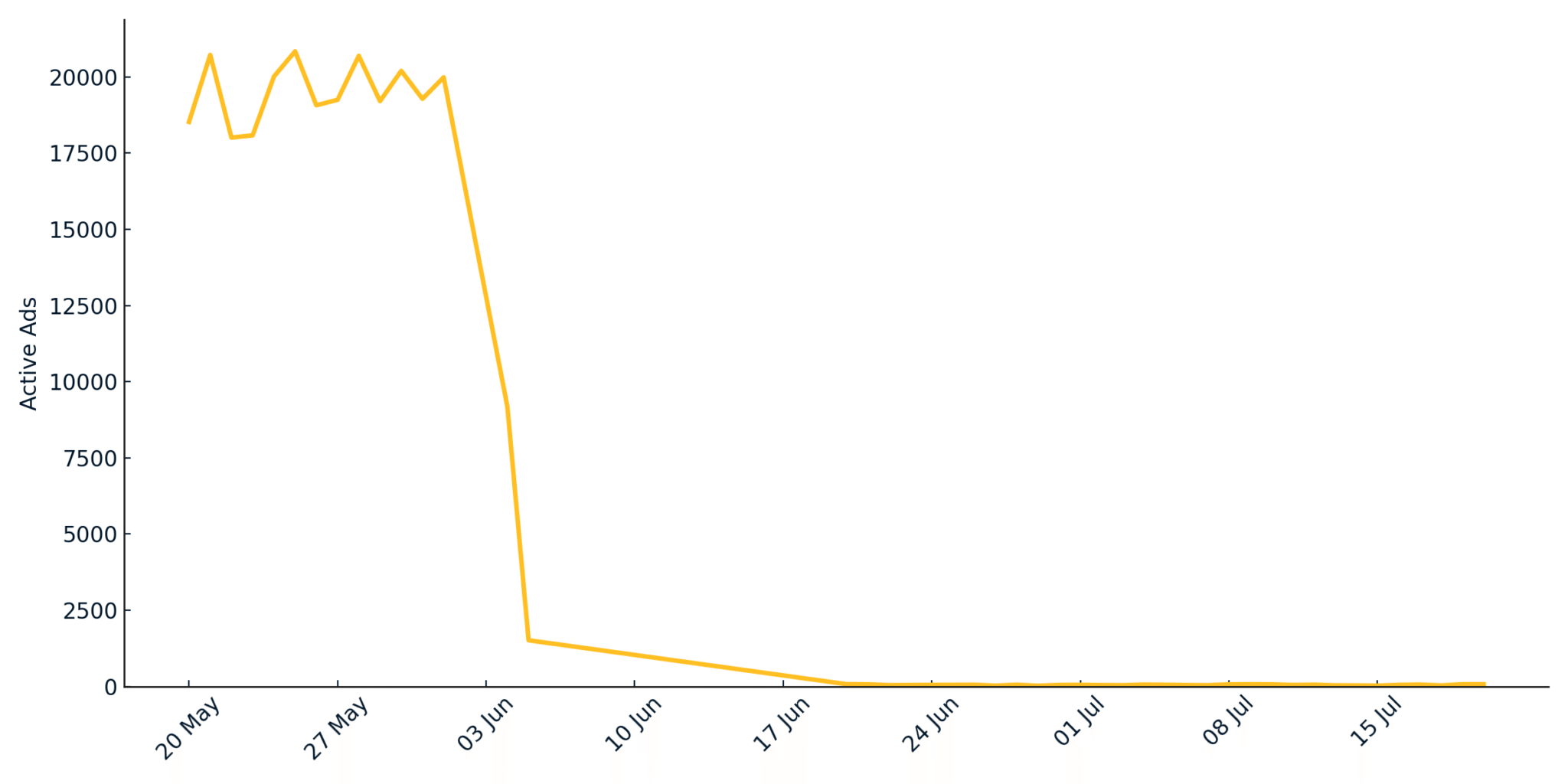
How RocketPlay Cut Ad Hijacking in 4 Weeks
- by 20.2%Boosted Organic Traffic
- 350Ad Hijacking Domains Remove
- $20 → $2CPC Slashed