
What Is Ad Hijacking? The Invisible PPC Threat Costing Brands Millions
In today’s digital landscape, brand visibility is everything. Companies pour resources into performance marketing, affiliate partnerships, and paid search just to get the right eyes on their products. But what if that budget is being quietly drained?
Welcome to the world of ad hijacking, a tactic that most brands don’t notice until the damage is already done.
 Run Book a Call
What Is Ad Hijacking?
QUERY ↓ AD HIJACKING ↓ COMPETITORAd hijacking happens when an unauthorised third party runs paid ads using your brand name to intercept clicks meant
for you. This could be a shady affiliate, a competitor, or even
a malicious actor cloning your identity.
They target users searching for your brand with misleading ads. These ads appear above or alongside your legitimate listing, hijacking high-intent traffic and redirecting it elsewhere, often to an affiliate landing page where they collect a commission or to a competitor’s product.
In many cases, you still end up paying , either in affiliate commissions, higher CPCs, or lost conversions.
The Mechanics of Ad Hijacking
Let’s break down how ad hijacking works in practice:
The Setup
An affiliate or competitor creates an ad that targets your branded keywords (e.g., “Buy [Your Brand]”).
↓The Bait
The ad mimics your copy or misleads with claims like “Better Than [Your Brand]” or “Official [Your Brand] Site.”
↓The Redirect
Clicking the ad sends users to:
- An affiliate landing page (to earn commission)
- A competitor’s product page
- A fake or cloned website
The Reward
They steal your branded clicks and profit off your name. This often happens invisibly. Geo-targeting, mobile-only ad rotations, and cloaking techniques make these ads hard to detect manually.
↓Types of Ad Hijackers
1. Affiliate Hijackers
Affiliates who violate your program’s terms to poach branded traffic and claim commission. Learn more
2. Competitor Brand Bidders
Companies who bid on your brand name to steal awareness and traffic. See our Ad Monitoring Service
3. Scammers
Fraudsters who run brand ads via domains like “[YourBrand]store.com” or “[YourBrand]discount.net” to confuse and convert users. See Domain Removal

Why It’s So Dangerous
Branded search traffic is your highest-intent,
highest-converting segment. When it gets hijacked:
→
Discover fraudulent domains targeting your brand
→
Your CPC rises due to ad auctions
→
You pay affiliates for traffic they didn’t earn
→
Your analytics get distorted
→
Your brand trust declines due to misleading copy
Let’s put it in numbers:
Imagine 20,000 branded searches per month.
Losing just 15% means:
→
3,000 hijacked clicks
→
At 5% conversion = 150 lost customers
→
If each sale is worth $100 = $15,000/month in losses

How to Detect Ad Hijacking
You won’t find it with basic tools or a weekly Google search. Here’s what you need
Geo-specific Testing
Many hijackers run ads only in specific countries or cities where you’re less active.
Time-based Patterns
Hijacked ads often appear during off-hours or weekends.
Device Filtering
Hijackers may target only mobile users to avoid desktop-based audits.
Ad Cloaking
The ad URL shows one domain, but the destination changes based on who’s clicking.
Manual Search Variants
Try searching variants like:
“[Brand] discount”
“[Brand] official”
“Buy [Brand]”
Why Manual Monitoring Fails
Even if you search your own brand regularly, you’ll likely miss:
→
Geo-targeted attacks in other markets
→
Ads shown only at 2AM
→
Rotating ad creatives and headlines
→
Redirects masked through affiliate networks

The only way to reliably detect and remove hijackers is automated, 24/7 global monitoring. Learn about monitoring
What AdFlagger Does Differently
At AdFlagger, we built our platform to handle this problem at scale.
1
Scan
We search your brand across devices, geos, time zones
2
Detect
We flag ad hijacking, domain mismatches, and affiliate redirects
3
Remove
We do all the necessary things automatically
4
Report
You see violations, removal status, and ad impressions in real time

We remove hijacker ads
by the thousands.
Not just alert you. Not just monitor.
Business case studies
Real results from brands that took back control of their traffic
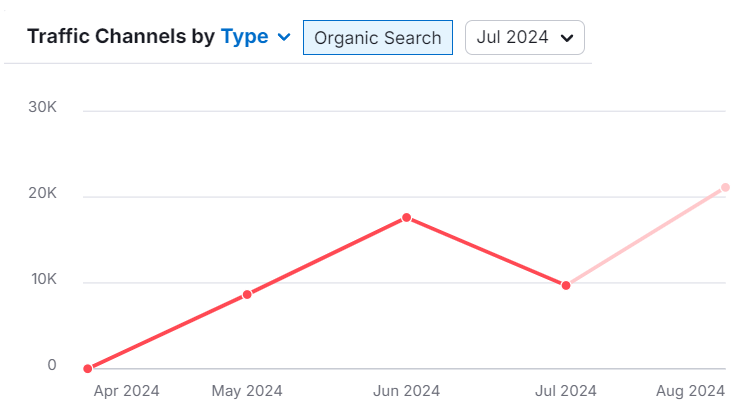
STARS PARTNERS Cut Hijacking and Boosted Organic Traffic in 1 month
- +101%Increase in Visits
- +19%More Unique Visitors
- +75.8%Organic Traffic Growth
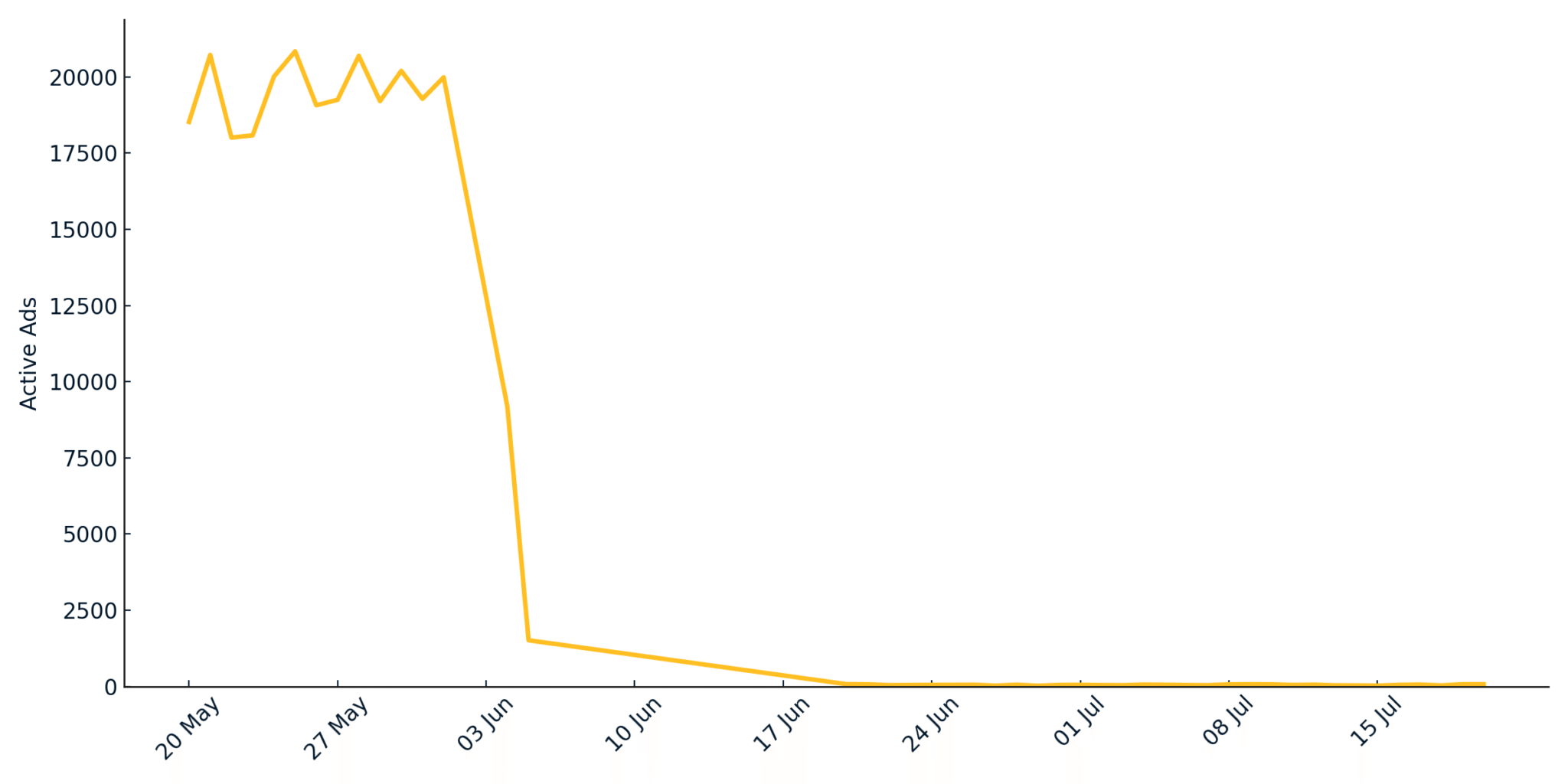
How RocketPlay Cut Ad Hijacking in 4 Weeks
- by 20.2%Boosted Organic Traffic
- 350Ad Hijacking Domains Remove
- $20 → $2CPC Slashed
Industries Most At Risk
E-commerce
Aggressive affiliate models + product margin targetin
iGaming / Betting
High CPC = high reward for hijackers
SaaS
Users often search brands directly
Pharma
Trust-critical space = hijacking damages reputation
Legal Perspective: Is It Allowed?
→
Yes and no.
Bidding on brand keywords?
→
Allowed by Google
Using trademark in ad copy?
→
Not allowed unless authorized
So while hijackers stay within Google’s guidelines, their behavior still violates brand terms, affiliate contracts, and FTC fairness principles.
The Real Impact on Marketing ROI
Audit your brand keywords
→
Rising CPCs
→
Lower branded CTR
→
Affiliate commissions without sales boost
→
Traffic leakage you can’t explain
You may be under attack.
Every lost branded click
is a missed opportunity and
a gift to your competitors.

Protecting Your Brand:
What To Do Next
1
Audit your brand keywords
across geos, devices, times
2
Track affiliate IDs
and monitor who’s driving real traffic
3
Use a platform like AdFlagger
automate the detection & takedown process
You provide us with keywords
Day 3We agree on removal conditions
Day 4*We have removed fake ads
*Depending on
complexity, results will be seen
from 1 day to 2 weeksss
Your Brand. Your Clicks.
Your Rules.
Ad hijacking is a silent profit leak. You’re paying for traffic twice: once to Google, again to hijackers. Let’s stop that.
Run a free brand scan today.
We’ll show you:
→
Who’s bidding on your name
→
What they’re saying
→
How many clicks you’re losing