
Partner exit and brand exposure
A Former Affiliate Still Uses Your Brand: What to Check After Termination
An affiliate account has been closed, yet a branded ad or landing page remains visible. Start with that placement: match it to the permission that ended, trace the customer route and choose the response for the conduct still occurring. Account closure, removal of the public source and commission reconciliation each need their own evidence.
Start with the permission that ended
A termination notice is one part of the record. Identify the agreement, affected affiliate account, effective date, approved markets and any transition obligations. Check whether brand-name bidding, domains, creative assets and existing content were covered separately. A broad statement that the partnership ended may leave the exact disputed permission unresolved.
Ask the internal owner to confirm which placements were authorized before termination and what must stop now. Keep any continuing reseller or other business relationship separate. An affiliate identifier visible in a URL is a useful lead for verification; it does not establish account ownership by itself.
Compare the agreement with the placement
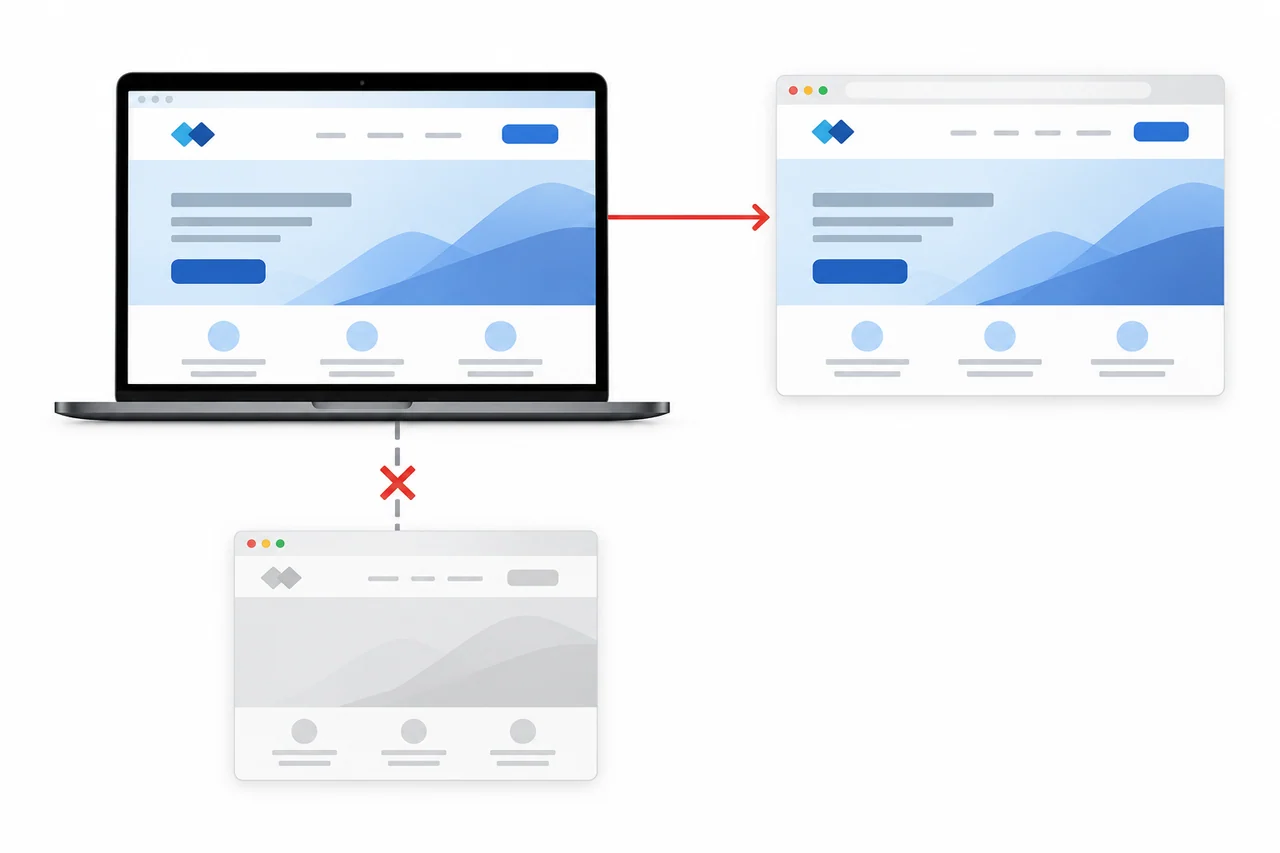
Put the permission record beside a fresh capture of the page or ad. Match the brand wording, market, device, destination and observation time. This comparison answers a practical question: which present activity falls outside the documented authorization?

Permission record
Account confirmed internally.
Promotion rights and markets.
Effective termination date.
Specific transition terms.

Current public route
Query or referring link.
Exact ad and landing URL.
Intermediate destinations.
Observed final action.
A cached snippet mentioning the brand needs a different check from a live landing page still promising an official offer. Capture the source and the search result separately so an outdated result does not become evidence of current partner conduct.
Follow the route without turning it into a test conversion
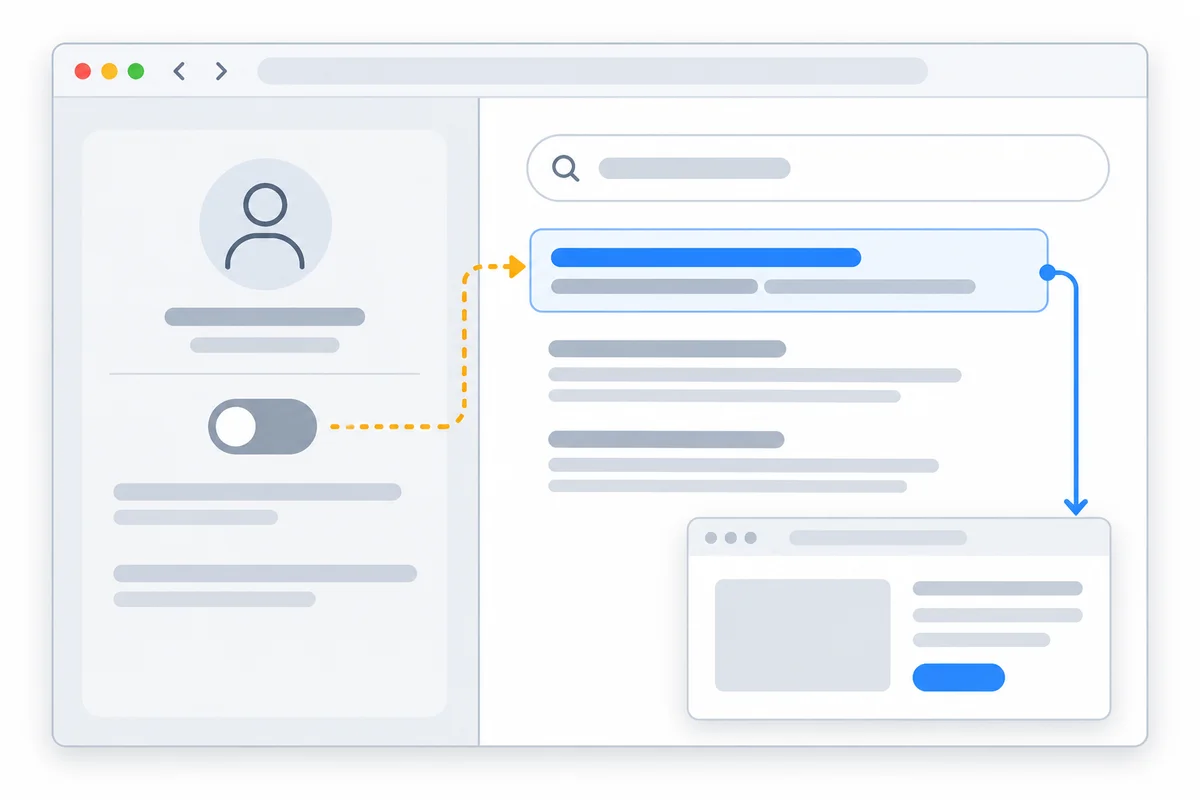
Record the entry point, redirects and final destination under the conditions in which the placement appeared. Establish whether the visitor reaches the official site, a partner page or a different operator. Do not enter customer credentials, complete a deposit or submit a real lead to demonstrate the route.
Document an observed tracking marker without calling it a confirmed commission loss. Internal account mapping and agreed attribution records are needed to connect a route to the commercial relationship. Preserve the original capture before a page changes or the partner removes a redirect.
Keep an original route capture and a relationship check
In browser developer tools, open the Network panel and enable Preserve log before following the reported public link. Save the visible entry URL, redirect responses and final hostname with the query, market, device and time. Keep tracking parameters in the restricted evidence record; remove personal data before sharing it.
Ask the affiliate owner to match the observed identifier to the authorised account record. Compare the placement with the actual termination scope, including market, brand bidding and asset permissions. A route that still ends on the official site may be an attribution or agreement issue; a page claiming official identity and requesting account access raises a separate impersonation question.
Next decision: give the account owner the confirmed relationship and the enforcement reviewer the actual source, conduct and dated capture. Recheck the placement even after the account status changes.
Review the Remaining Placements
Discuss the observed source, available evidence and next action with AdFlagger.
Review the Remaining PlacementsChoose the action that matches the remaining conduct
A confirmed agreement breach can go to the brand’s responsible affiliate or legal owner. A misleading ad needs the ad unit and destination record. A website claiming to be the brand needs its identity and customer-action evidence. Several layers may need coordinated assessment, but each allegation should stand on its own facts.
Google Ads trademark policy ↗ distinguishes trademark use in ads from bidding on a keyword. Termination alone does not establish a platform-policy violation. Avoid sending the same generalized accusation to every provider or promising that every mention of the brand can be removed.
Public decision analysis
An affiliate dispute still needed a complete rights assessment
In WIPO D2006-1211, decided November 30, 2006 ↗, the respondent relied on acceptance into an affiliate programme, while the complainant said participation had been terminated. The panel assessed the domain, trademark rights, website use and evidence of misleading association. It ordered transfer after finding all three UDRP elements established.
The useful lesson for an exit review is the evidence sequence: preserve the historical relationship, identify the permission disputed now and document the current public use. A termination message supports the relationship record; the disputed placement still needs its own analysis.
Which placements remain unresolved?
Use one dated exit inventory. Assign each known placement to one mutually exclusive status and enter the counts. The chart measures closure of that inventory, while traffic and commission records stay separate.
Enter your inventory counts to display a zero-based placement chart.
Verify the placements, not just the account status
Build a closure record for each affected placement. Recheck the original query or link, the page, the redirect and the destination. A disabled affiliate account may coexist with an active public page; a removed ad may coexist with organic visibility. Write the outcome at the layer actually checked.
Keep confirmed absence within a defined observation window separate from permanent disappearance. If another domain presents the same route, preserve it as a new finding and connect it to the earlier incident only with specific matching evidence.
Make partner exit an owned workflow
Assign one owner to reconcile marketing, affiliate and brand records. The handover should name approved placements, remaining URLs, permissions that ended, response references and the next verification date. This reduces repeated investigations based on incomplete internal context.
AdFlagger can connect monitoring, branded-search evidence and takedown assessment for the remaining sources. Continuing checks are useful when the exit leaves repeated exposure across domains, markets or advertisers. The scope should follow that demonstrated pattern rather than assume every termination requires ongoing protection.
Questions about this assessment
Review the specific permission, current use and relevant action route. A contractual change and a platform violation are different findings.
It is a signal to verify against the brand’s account records. Preserve the route and ask the authorized internal owner to confirm the mapping.
Check the landing page, organic exposure and remaining redirects separately. Close only the layers for which the result has been verified.